Cobo Review 2026: Is It Worth It? (+ Coupon Codes)
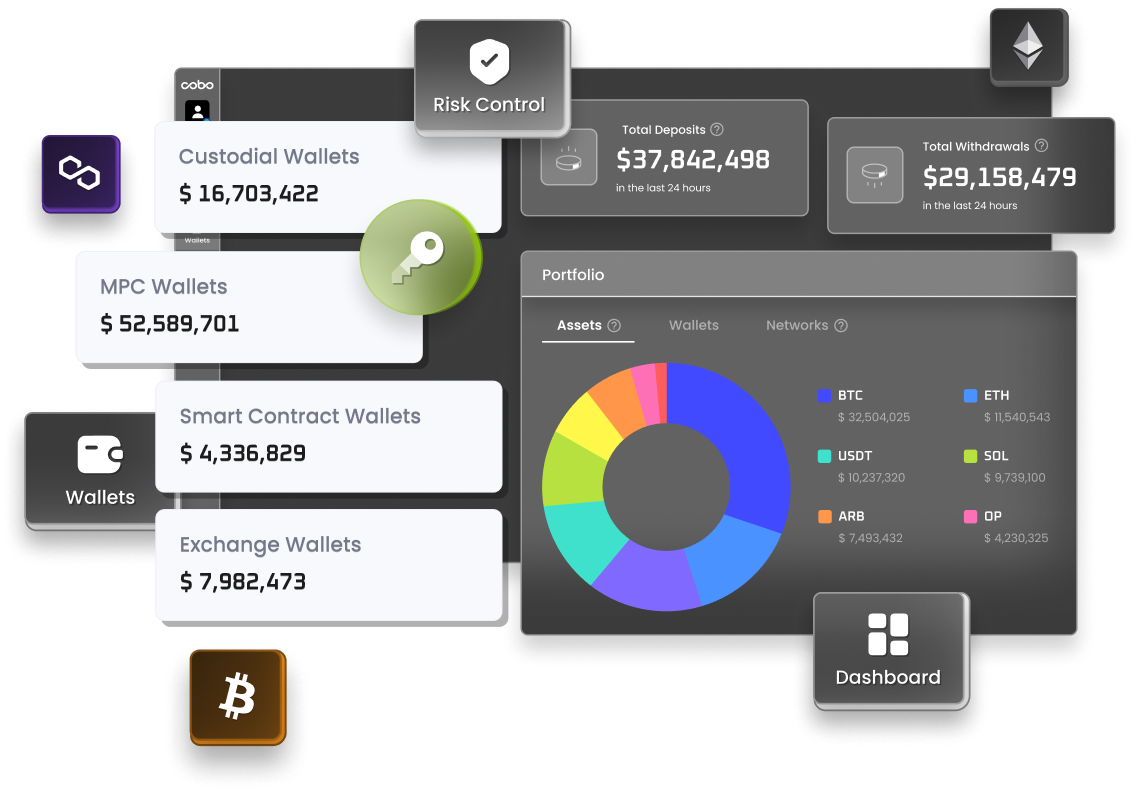
As institutions move deeper into digital assets, the hardest question is rarely which token to hold, it is how to hold it safely. Cobo has spent years answering exactly that, positioning itself as a trusted partner for custody and wallet infrastructure. In this 2026 review we unpack what Cobo actually delivers, the security foundation behind its platform, who it is built for, and how to make sure you get the best possible terms before you commit.
What Is Cobo?
Cobo is a digital asset custody and wallet infrastructure platform built for institutions. Its core promise is access to four wallet technologies in a single platform: Custodial, MPC, Smart Contract, and Exchange Wallets. On top of that, it layers plug-and-play APIs, a multi-layer security matrix, and advanced risk controls, giving teams the foundations they need for almost any blockchain innovation.
The brand describes itself as a trusted partner for custody and wallet infrastructure solutions, and it emphasizes a long, clean track record. Cobo says it has been trusted since 2017 with zero breaches, pointing to eight years of uninterrupted security protecting billions in assets for institutions around the world. That combination of breadth and reliability is the heart of its pitch.
Products and Standout Features
Cobo's platform is unusually comprehensive, and a few areas stand out in particular.
Four Wallet Technologies, One Stack
The headline feature is that developers can use one API and SDK stack across four wallet types. Custodial Wallets are secured by hardware-based isolation using HSMs and Intel SGX. MPC Wallets rely on distributed TSS nodes running inside Trusted Execution Environments for tamper-proof signing. Smart Contract and Exchange Wallets round out the set, so teams can match the right wallet model to each use case without stitching together multiple vendors.
Broad Chain and Token Coverage
Through its Wallet-as-a-Service offering, Cobo provides access to more than 80 chains and over 3,000 tokens, with self-service tools that let teams launch new tokens instantly. For platforms that need to onboard assets quickly, this breadth is a major advantage.
Security and Compliance Built In
Security is clearly Cobo's foundation. The company highlights bank-grade architecture, independent audits and penetration testing by top-tier firms, and 24/7 monitoring with real-time alerting and full incident response readiness. On compliance, it notes SOC 2 Type II certification, ISO 27001 alignment, licensing in Hong Kong and the United States, and integrated AML and KYT through partners like Chainalysis and Elliptic. A built-in policy engine lets teams enforce customizable risk controls for every user, wallet, and transaction.

Who Is Cobo For?
Cobo is squarely aimed at institutions rather than casual individual users. It is a strong fit for exchanges that need secure wallets and instant token onboarding for high-frequency platforms, for funds and fintechs managing significant digital assets, and for developers building Wallet-as-a-Service products on battle-tested infrastructure. Teams that value regulatory readiness, granular policy controls, and a single integration across multiple wallet types will find the platform especially compelling. It even offers an Agentic Wallet aimed at giving AI agents autonomy with control enforced at the infrastructure level. If you are an individual just holding a small amount of crypto, this is more infrastructure than you need, but for serious operators it is purpose-built. Before onboarding, it is worth reviewing the current Cobo coupons and offers.
Pros and Cons
Pros
- Four wallet technologies unified under one API and SDK stack
- Strong security foundation with HSMs, Intel SGX, and TEE-based MPC signing
- Extensive coverage of 80+ chains and 3,000+ tokens
- Robust compliance posture with SOC 2 Type II, ISO 27001, and licensing
- Long track record since 2017 with zero reported breaches
- Built-in policy engine for granular risk controls
Cons
- Designed for institutions, not casual individual users
- The depth of features means a learning curve for new teams
- Requires technical resources to integrate the APIs and SDKs effectively
Pricing and How to Save
Because Cobo serves institutions with varied needs, its pricing is structured around the platform and the specific products a team uses, and it offers options like a free trial and a book-a-demo path to explore the fit before committing. Rather than a simple flat rate, expect terms tailored to your use case, which makes it all the more worthwhile to secure the best available offer up front. The smartest step is to check for a live deal before you sign up instead of assuming a static code exists. Visit our Cobo deals page, click through to reveal the current verified promotion, and apply it when you get started. Since offers rotate, the "Get Deal" button always surfaces whatever is active right now.
How Cobo Compares
| Feature | Cobo | Single-Wallet Provider | Self-Built Solution |
|---|---|---|---|
| Wallet technologies | Four in one stack | Usually one | Depends on build |
| Chain and token coverage | 80+ chains, 3,000+ tokens | Varies | Manual work |
| Compliance certifications | SOC 2 Type II, ISO 27001 | Varies | Your responsibility |
| Security architecture | HSM, SGX, TEE-based MPC | Varies | Hard to match |
| Track record | Since 2017, zero breaches | Varies | None yet |
Tips for Evaluating Cobo
If you are weighing Cobo for your organization, a structured evaluation helps. Start by mapping your use case to the right wallet type, since the platform's strength is offering Custodial, MPC, Smart Contract, and Exchange Wallets from a single stack, and matching the model to your workflow up front saves rework later. Take advantage of the free trial and the book-a-demo option to test the developer experience and confirm the APIs and SDKs fit your team's technical resources. Pay close attention to the compliance and security details that matter for your jurisdiction, including SOC 2 Type II, ISO 27001, licensing, and the built-in policy engine for granular risk controls. Verify that the chains and tokens you need are covered within the 80-plus chains and 3,000-plus tokens supported. And before you formalize anything, check for a current offer so you secure the best possible terms from day one rather than after you are already committed.
Final Verdict
Cobo makes a convincing case as a trusted, all-in-one custody and wallet infrastructure partner for institutions. The ability to run four wallet types from one stack, combined with deep chain coverage, a serious security architecture, and a strong compliance posture, addresses the exact concerns that keep institutional teams up at night. The trade-off is that it is built for organizations with the technical capacity to integrate it, not for casual individual holders. For exchanges, funds, and fintechs that need reliable infrastructure to build on, Cobo is a standout choice, and locking in a current offer before you start only sweetens the deal.
Frequently Asked Questions
What does Cobo do?
Cobo provides digital asset custody and wallet infrastructure for institutions, offering four wallet technologies, plug-and-play APIs, and advanced risk controls in one platform.
Which wallet types does Cobo support?
Cobo supports Custodial, MPC, Smart Contract, and Exchange Wallets, all accessible through a single API and SDK stack.
How secure is Cobo?
Cobo highlights a track record since 2017 with zero breaches, bank-grade architecture using HSMs and Intel SGX, TEE-based MPC signing, independent audits, and 24/7 monitoring.
How do I find a working Cobo coupon?
Visit our Cobo offers page and click "Get Deal" to reveal the current verified promotion before you get started.
Is Cobo suitable for individuals?
Cobo is built primarily for institutions such as exchanges, funds, and fintechs. Individuals holding small amounts of crypto will likely find it more infrastructure than they need.
Ready to Build on Trusted Infrastructure?
Before you start your free trial or book a demo, take a moment to grab the latest savings. Check today's verified Cobo offers, click through to unlock the live deal, and put institutional-grade wallet infrastructure to work for less.