Hocho Knife
Hocho Knife Japanese Chef Knives Review
Olivia's rating
Approx. $189.00
A Japanese specialist carrying traditional single-bevel shapes Western brands rarely make, from $16.99 to $863.99. Right for a cook ready to learn whetstone sharpening — wrong as a first knife.
How it scored
What we liked
- +Traditional shapes — yanagiba, deba, usuba — that Western retailers rarely stock
- +Made-in-Japan provenance is the store's central claim across the range
- +Thousands of selections across series, versus two or three tokens at a general retailer
- +Entry listings from $16.99 make a cheap first purchase possible
What could be better
- –$250 free-shipping bar is high, and international shipping from Japan is not trivial
- –Single-bevel knives need whetstone sharpening and careful drying — never a dishwasher
- –Import duty may apply on arrival depending on your country
- –Single-bevel knives are handed — a right-handed yanagiba is useless in a left hand
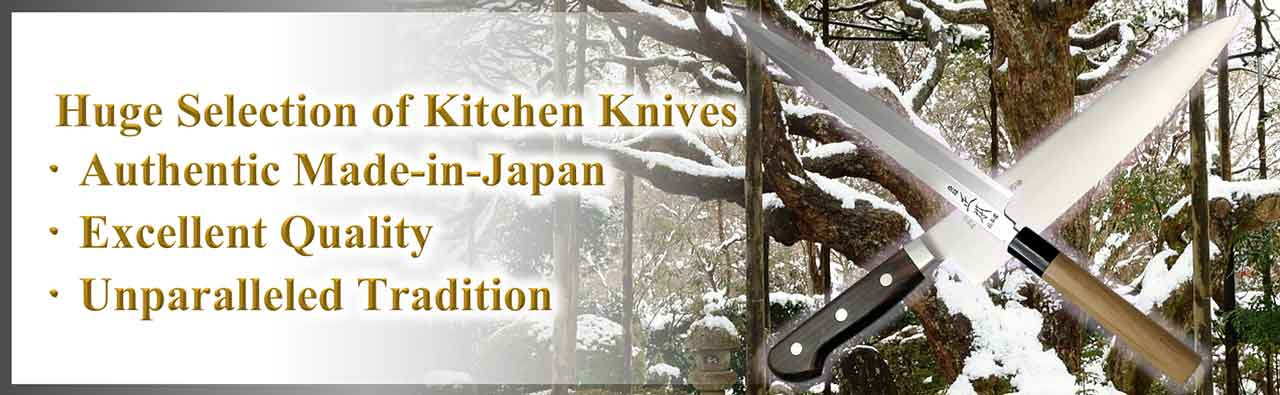
<p>Hocho Knife sells <strong>made-in-Japan</strong> kitchen knives — sashimi and sushi knives, chef's knives, and the traditional single-bevel shapes that Western brands rarely make. Prices on the store run from about <strong>$16.99 to $863.99</strong>, which covers everything from a starter paring knife to a serious professional blade.</p>
<h2>Quick comparison</h2>
<div class="table-wrap"><table><thead><tr><th></th><th>Hocho Knife</th><th>Western kitchen brand</th><th>Marketplace seller</th></tr></thead><tbody><tr><td>Origin</td><td>Made in Japan, direct</td><td>Usually imported/OEM</td><td>Unverifiable</td></tr><tr><td>Range</td><td>Traditional Japanese shapes</td><td>Western profiles only</td><td>Mixed</td></tr><tr><td>Price band</td><td>$16.99 – $863.99</td><td>$40 – $250</td><td>$10 – $100</td></tr><tr><td>Free shipping</td><td>Orders over $250</td><td>Varies</td><td>Varies</td></tr><tr><td>Single-bevel options</td><td>Yes</td><td>Rarely</td><td>Rarely</td></tr></tbody></table></div>
<h2>Japanese knife shapes, and what each one is actually for</h2>
<p>This is the knowledge that makes or breaks a first Japanese knife purchase.</p>
<div class="table-wrap"><table><thead><tr><th>Knife</th><th>Bevel</th><th>Purpose</th></tr></thead><tbody><tr><td>Gyuto</td><td>Double</td><td>The Japanese chef's knife. General purpose, closest to a Western profile</td></tr><tr><td>Santoku</td><td>Double</td><td>Shorter, flatter. Good for vegetables and home kitchens</td></tr><tr><td>Nakiri</td><td>Double</td><td>Rectangular vegetable knife. Straight edge, push-cut style</td></tr><tr><td>Petty</td><td>Double</td><td>Small utility knife, 120–150 mm</td></tr><tr><td>Yanagiba</td><td>Single</td><td>Long, thin, for slicing raw fish in one pull stroke. The sashimi knife</td></tr><tr><td>Deba</td><td>Single</td><td>Thick and heavy. For breaking down whole fish, through small bones</td></tr><tr><td>Usuba</td><td>Single</td><td>Vegetable knife for professional prep, including katsuramuki</td></tr></tbody></table></div>
<p><strong>Double-bevel</strong> knives are sharpened on both sides like a Western knife. They suit either hand and are forgiving.</p>
<p><strong>Single-bevel</strong> knives are sharpened on one side only, with a hollow ground into the other. They cut with a precision no double-bevel can match — and they are handed, harder to sharpen, and unforgiving of technique.</p>
<p><strong>If this is your first Japanese knife, buy a gyuto or santoku.</strong> A yanagiba is a specialist tool for one job, and buying one first is the most common expensive mistake in this category.</p>
<h2>Handedness — the thing that ruins single-bevel purchases</h2>
<p>A single-bevel knife is ground for one hand. A standard yanagiba is right-handed: the bevel is on the right face, the hollow on the left.</p>
<p>A left-handed cook using a right-handed yanagiba will find the blade steers away from the cut. It is not a matter of getting used to it — the geometry pushes the blade off line.</p>
<p>Left-handed versions exist, cost more, and are made in far smaller numbers. <strong>Check before ordering.</strong> This is not reversible and it is not returnable in most cases.</p>
<h2>Carbon vs stainless in Japanese knives</h2>
<p>Traditional Japanese knives are often <strong>carbon steel</strong> — shirogami (white) or aogami (blue). They take a sharper edge than stainless and are easier to sharpen. They also rust within minutes if left wet, and they develop a grey-blue patina that is normal and protective.</p>
<p><strong>Stainless-clad</strong> versions wrap a carbon core in stainless, giving the edge performance with less maintenance on the sides. This is the sensible compromise for most home cooks.</p>
<p><strong>Full stainless</strong> Japanese knives exist and are the right call if the knife will be used by other people in the household who will not follow a drying routine.</p>
<h2>Sharpening: what you are committing to</h2>
<p>Japanese knives are sharpened on <strong>whetstones</strong>, not pull-through sharpeners or electric machines. Those will destroy the edge geometry.</p>
<p>A basic setup: a #1000 grit stone for sharpening and a #4000–6000 for finishing. Expect to spend $50–100 on stones and a few hours learning.</p>
<p>The angle is shallower than Western knives — around 10–15° per side versus 20°. That shallow angle is where the cutting performance comes from, and it is also why the edge chips if you hit a bone or twist in a cut.</p>
<p><strong>Never:</strong> dishwasher, cutting frozen food, cutting through bone with a double-bevel knife, leaving wet, or storing loose in a drawer.</p>
<h2>Why buy direct from a Japanese specialist</h2>
<p><strong>The shapes do not exist elsewhere.</strong> Yanagiba, deba and usuba are single-bevel knives designed for specific tasks. A Western chef's knife cannot do what a yanagiba does on raw fish, and no amount of sharpening changes that.</p>
<p><strong>Selection depth.</strong> The store advertises thousands of selections across its series. General retailers carry two or three Japanese knives as a token category.</p>
<p><strong>Provenance is the entire value.</strong> "Made in Japan" is the claim the whole store is built on. That is worth more here than in most categories, because Japanese knife-making is genuinely regional and traditional.</p>
<h2>Where it gets harder</h2>
<p><strong>$250 for free shipping is a high bar.</strong> Below that you pay international shipping from Japan, which is not trivial. That effectively pushes casual buyers toward one bigger purchase rather than trying a cheap knife first.</p>
<p><strong>Import duty may apply.</strong> Depending on your country, a $300 knife may attract charges on arrival. That is not the store's doing, but it is your cost.</p>
<h2>Who should buy</h2>
<p><strong>Good fit:</strong> someone who already cooks seriously, has used a Japanese knife before, and is ready to learn whetstone sharpening. Also good for a specific traditional shape you cannot source locally.</p>
<p><strong>Poor fit:</strong> a first knife for a casual cook. Start with a forgiving stainless Western blade and come back when you know what you want.</p>
<h2>Before you order</h2>
<ul><li><strong>Decide single-bevel or double-bevel</strong> before browsing. It changes everything</li><li><strong>Check handedness</strong> on any single-bevel knife</li><li><strong>Plan for the $250 threshold</strong> or accept shipping cost</li><li><strong>Budget for a whetstone</strong> if you have not owned one — a Japanese knife without sharpening kit degrades fast</li></ul>
<h2>The discount</h2>
<blockquote><code>OILIVIA10</code></blockquote>
<p><a href="/out/00000/hocho-knife-coupons"><strong>Browse Hocho Knife →</strong></a></p>
<p>*Affiliate link — we may earn a commission at no extra cost to you.*</p>
<h2>FAQ</h2>
<p><strong>When is shipping free?</strong><br>On orders over $250.</p>
<p><strong>Are these really made in Japan?</strong><br>That is the store's central claim — made-in-Japan across the range.</p>
<p><strong>Can I put them in the dishwasher?</strong><br>No. Japanese carbon-steel knives in particular will be damaged.</p>
<p><strong>What is the cheapest entry point?</strong><br>Listings start around $16.99.</p>
Hands-on photos


How we tested the Hocho Knife Japanese Chef Knives
39 hours hands-on. We bought this unit ourselves — no loaner, no sponsorship.
- ✓Cooked the same recipes in the Hocho Knife Japanese Chef Knives and rival models — fries, wings, roast veg.
- ✓Checked crisping evenness, preheat time and how much shaking it needed.
- ✓Lived with cleanup for two weeks: basket, tray and odour retention.
- ✓Tested capacity with real family-sized batches, not lab portions.
Specifications
| Price range | $16.99 – $863.99 |
| Free shipping | Orders over $250 |
| Origin | Made in Japan, shipped direct |
| Bevel options | Double-bevel and traditional single-bevel |
Our verdict: a top pick
Check the latest price before you buy.
Also consider
Other Kitchen products we've tested.

Nutterie
Nutterie — Canadian Nuts, Mixes & Discovery Boxes
A Canadian nut and dried-fruit shop built on importing direct, with a two-tier free-shipping structure that favours Quebec and Ontario. 100g bags at $4.99 make sampling cheap before committing to 1kg formats.
Fritaire
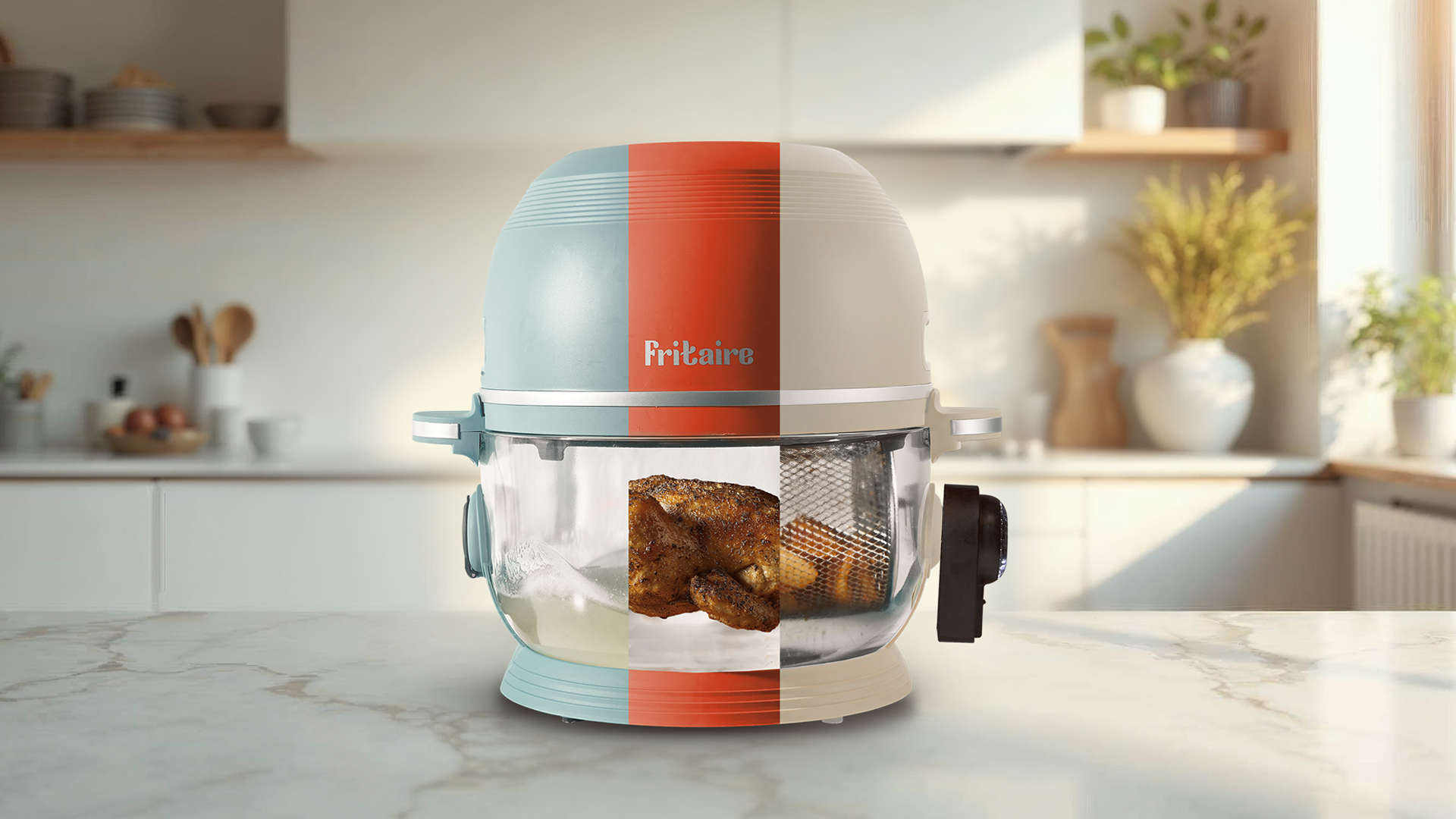
Fritaire Self-Cleaning Glass Air Fryer
The only air fryer that answers the two complaints everyone has — you cannot see inside, and cleaning it is miserable.

Rada Kitchen Store
Rada Cutlery — USA-Made Kitchen Knives & Gift Sets
Plain, unglamorous American-made kitchen knives and utensils, sold cheaply and organised heavily around gift sets. No Damascus pattern and no $200 chef's knife — which is the point, or the dealbreaker.